
Overview
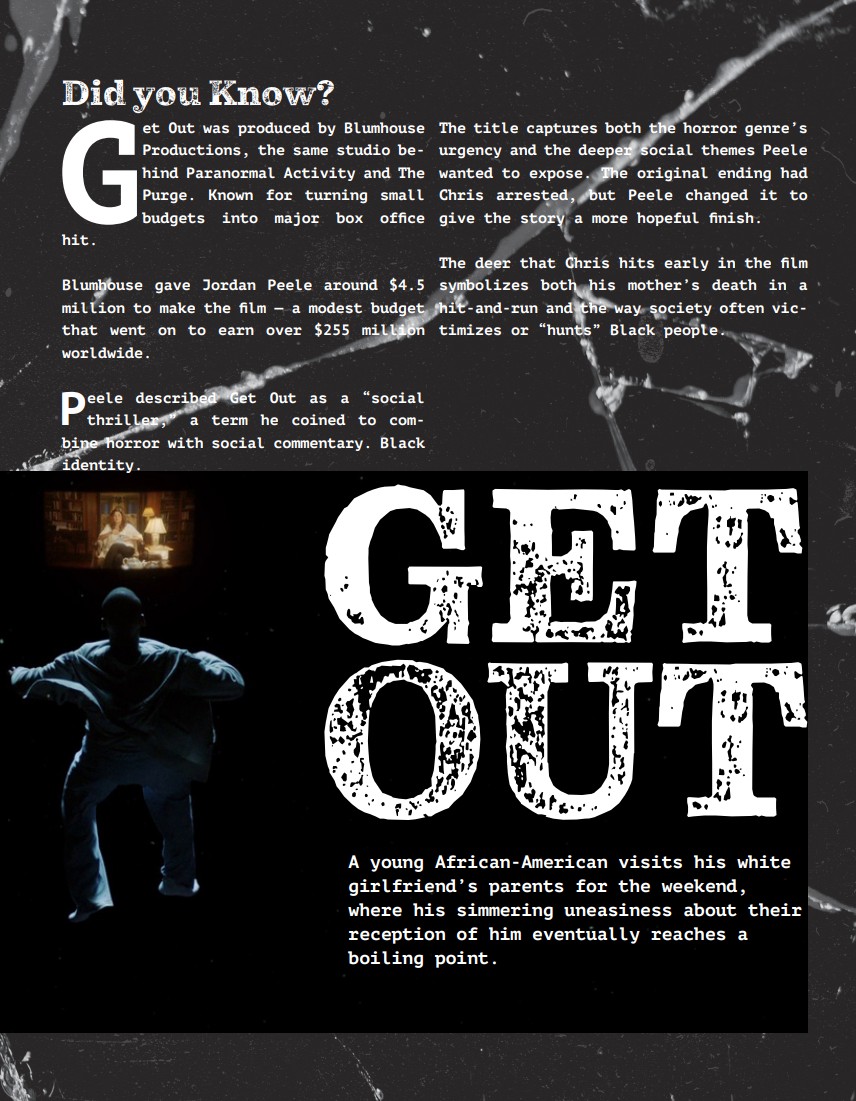
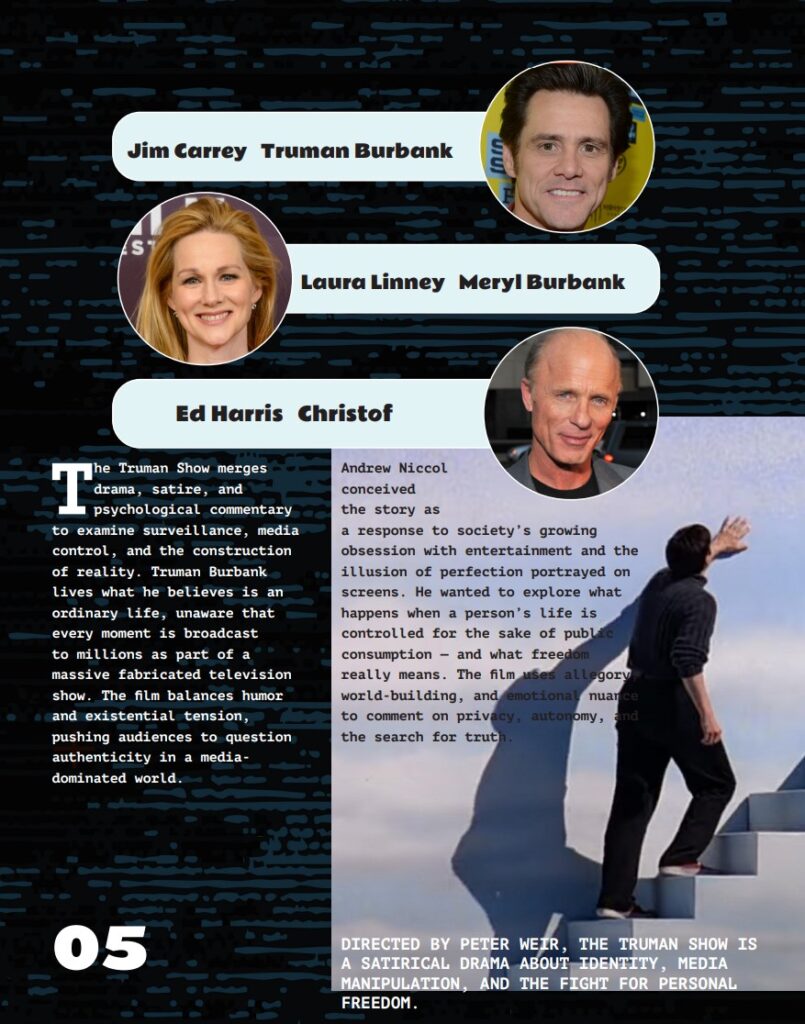
This case study details the development of Reel Facts, an expounding booklet of ten iconic films. Using easy-to-understand language, simple visual hierarchy, and exciting text, Reel Facts is designed to help people understand classic cinema. Each of the ten films contains the following information: a plot summary, analysis of the artwork and themes, cast member profiles (in the form of three featured actors), and five “Did You Know?” pieces of information about that movie, all of which are formatted exactly the same way. The Reel Facts booklet aims to give readers a greater appreciation and understanding of film as part of the continuum of storytelling and the importance of cinema to humanity through a modern magazine format.
Ojective
This Booklet Project (mainly) served as an educational resource and a polished graphic design document for submission to academia/portfolio.
The Booklet Project consisted of the following objectives:
1. To provide a general overview of significant films from various periods and genres.
2. To present film information in a manner that is easy to read and understand quickly. 3. To provide a unified structure throughout the contents of the Booklet for ease of use.
4. To use visual images, typography, and layouts to convey key points of the film being discussed.
5. To demonstrate the research, writing, and design abilities of the creators of the Booklet Project.
Film Selection and Design Concept
A variety of film genres and directors from different time periods were chosen; starting with Fiddler on the Roof and ending with Walter Mitty. There was a wide range of film styles and narratives that could be considered for use in this design booklet. Selection of Films
A variety of film genres and directors from different time periods were chosen; starting with Fiddler on the Roof and ending with Walter Mitty. There was a wide range of film styles and narratives that could be considered for use in this design booklet.
The overall layout of the design was created using contemporary magazine styles. All pages contain visually appealing typefaces (i.e., Helvetica in 12 pt.) using a consistent multi-column format to provide maximum readability. There is a large title page for each film that creates a strong hierarchy for the reader to follow.
The repetitive section format creates continuity within the booklet’s design; the design of each section contains a similar structure with (issue date), (film title), (film cast), (body text), and (fun facts).
The repetitive templates, images, and colours used to create each film’s individual page establishes the film’s unique identity as well as providing unity among the entire booklet.
Each individual film page consists of a:
Short introduction to the film’s director.
Thematic description of the film’s tone/style/cultural impact.
Detailed body paragraph providing background and creative inspiration.
A three-person cast list, including actor’s name and character they portray.
Five ‘Did You Know?’ facts that provide trivia information about each film.
A one-sentence logline that summarises the film’s core idea.
By providing this format, anyone who is unfamiliar with a particular film will have a complete overview of the movie after reading this section.
Final Output
Reflection
The process of creating this booklet allowed me to consider the layout, visual hierarchy, and typographic/image balance present throughout a multi-page publication. A priority was establishing a uniform system for all titles, page numbers, actor pages, and the “Did You Know” sections of the book. While developing all ten films within the set, it became clear how vital consistency across all project assets is due to their size. There were instances of type size, type spacing, or image treatment straying from my established template. This experience serves as a reminder that larger booklets require greater attention to detail than smaller booklets, which directly correlates to maintaining a consistent visual vocabulary. Overall, the project allowed me to increase my ability to format correctly and reinforced how to maintain a consistent overall graphic alignment with the use of a single design system for all graphic elements.
Leave a Reply